


KERISDIMAS BIO-CON Recorded 7 Waterbird Species with Moderate Diversity in the Coastal Area of Sukamade, Meru Betiri National Park
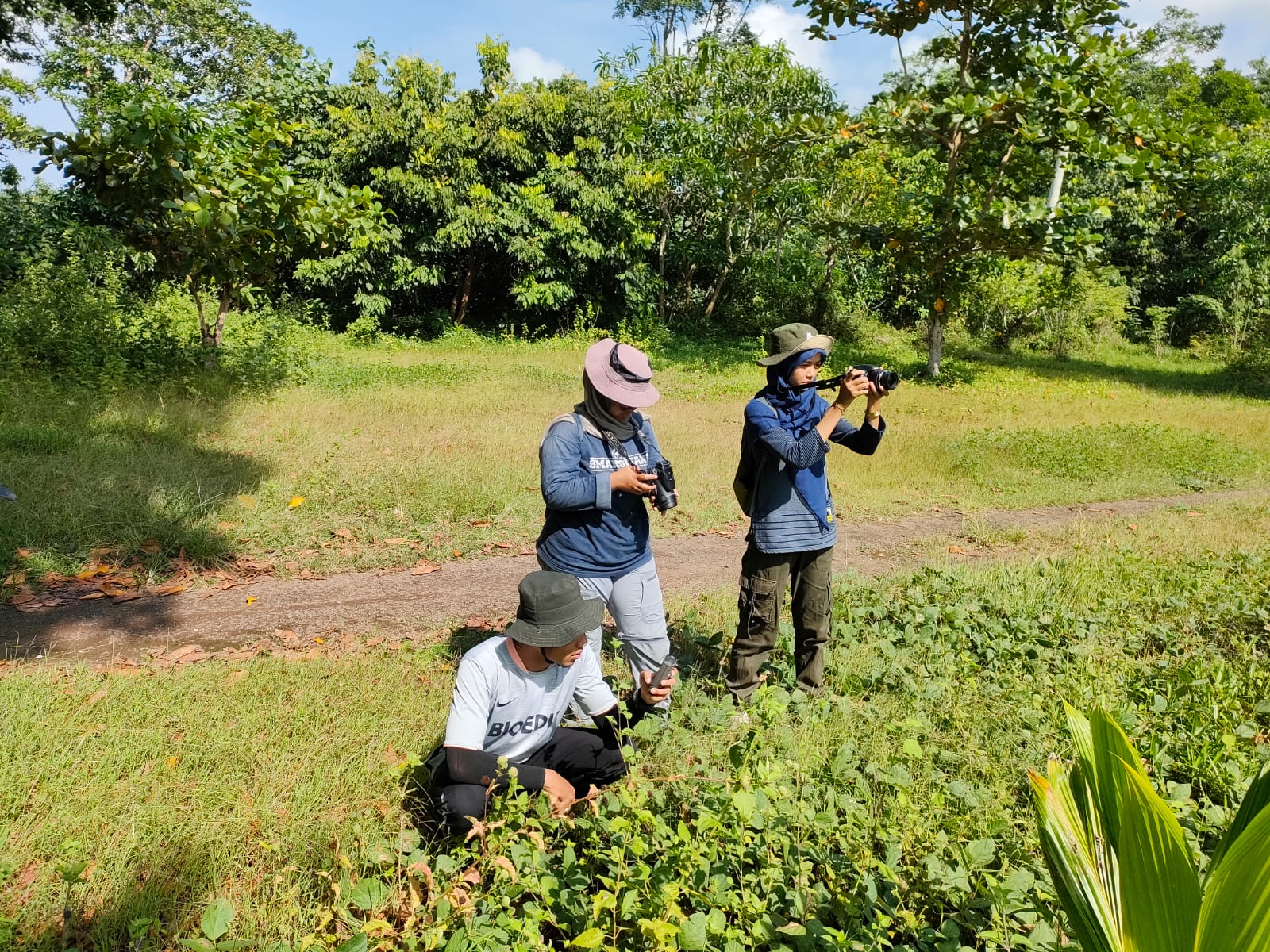
Research conducted in the wetland area of Sukamade Resort, Meru Betiri National Park, revealed that the region continues to serve as an important habitat for various waterbird species. Using the point count method, the research team successfully identified 7 waterbird species belonging to 4 families, distributed across several habitat types including rivers, estuaries, beaches, and mangrove ecosystems.
The diversity of these habitats is a major factor supporting the presence of waterbirds, as this bird group is highly dependent on aquatic environmental conditions. Sukamade itself is well known for possessing a relatively complete mosaic of wetland ecosystems, providing sufficient food resources and activity areas for birds.
Several species recorded during the study included:
- Thalasseus bergii
- Egretta sacra
- Charadrius javanicus
- Charadrius leschenaultii
- Actitis hypoleucos
- Ardea purpurea
- Butorides striata
The analysis results showed a diversity index value of 1.127, which falls within the moderate category. This indicates that the wetland ecosystem condition in Sukamade remains relatively stable, although continuous management attention is still necessary to prevent environmental degradation in the future.
💡 Interesting Insight: Waterbirds are widely recognized as natural bioindicators of aquatic ecosystems. Their presence reflects food availability, water quality, and minimal habitat disturbance. Therefore, these findings provide a positive indication that the Sukamade area is still capable of naturally supporting aquatic life.
These findings reinforce the importance of maintaining the sustainability of wetland ecosystems in Meru Betiri National Park, particularly within the Sukamade area. Continuous conservation efforts are essential to ensure that waterbird habitats remain protected while preserving the ecological balance of coastal ecosystems.