
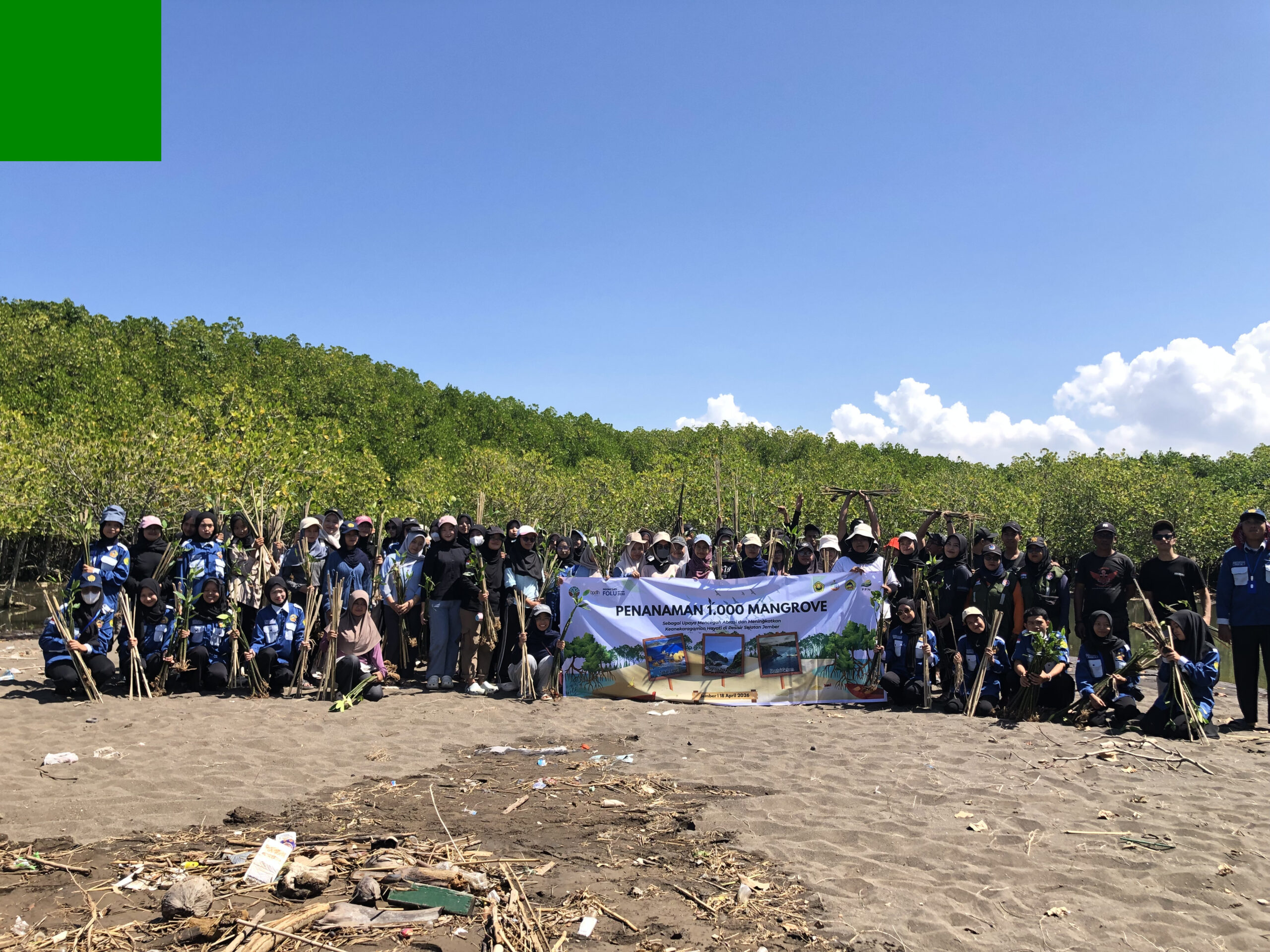

As a form of commitment to preserving coastal ecosystems, KERIS BIO-CON conducted a community service program titled “Planting 1,000 Mangroves to Prevent Coastal Abrasion and Enhance Biodiversity on the Southern Coast of Jember” at Payangan Beach, Teluk Love, and Getem Beach.
This initiative represents a concrete effort to protect coastal areas with high ecological value that are increasingly facing environmental pressures such as coastal abrasion, intensive aquaculture activities, and the declining coverage of mangrove vegetation in several shoreline areas. Mangroves play a vital role as natural coastal barriers, wave breakers, sediment traps, and habitats for various marine organisms and migratory birds.
A total of 1,000 mangrove seedlings of the species Rhizophora apiculata were planted collaboratively by students, committee members, and local communities across three different locations:
📍 Payangan Beach – 350 seedlings
📍 Teluk Love – 350 seedlings
📍 Getem Beach – 300 seedlings
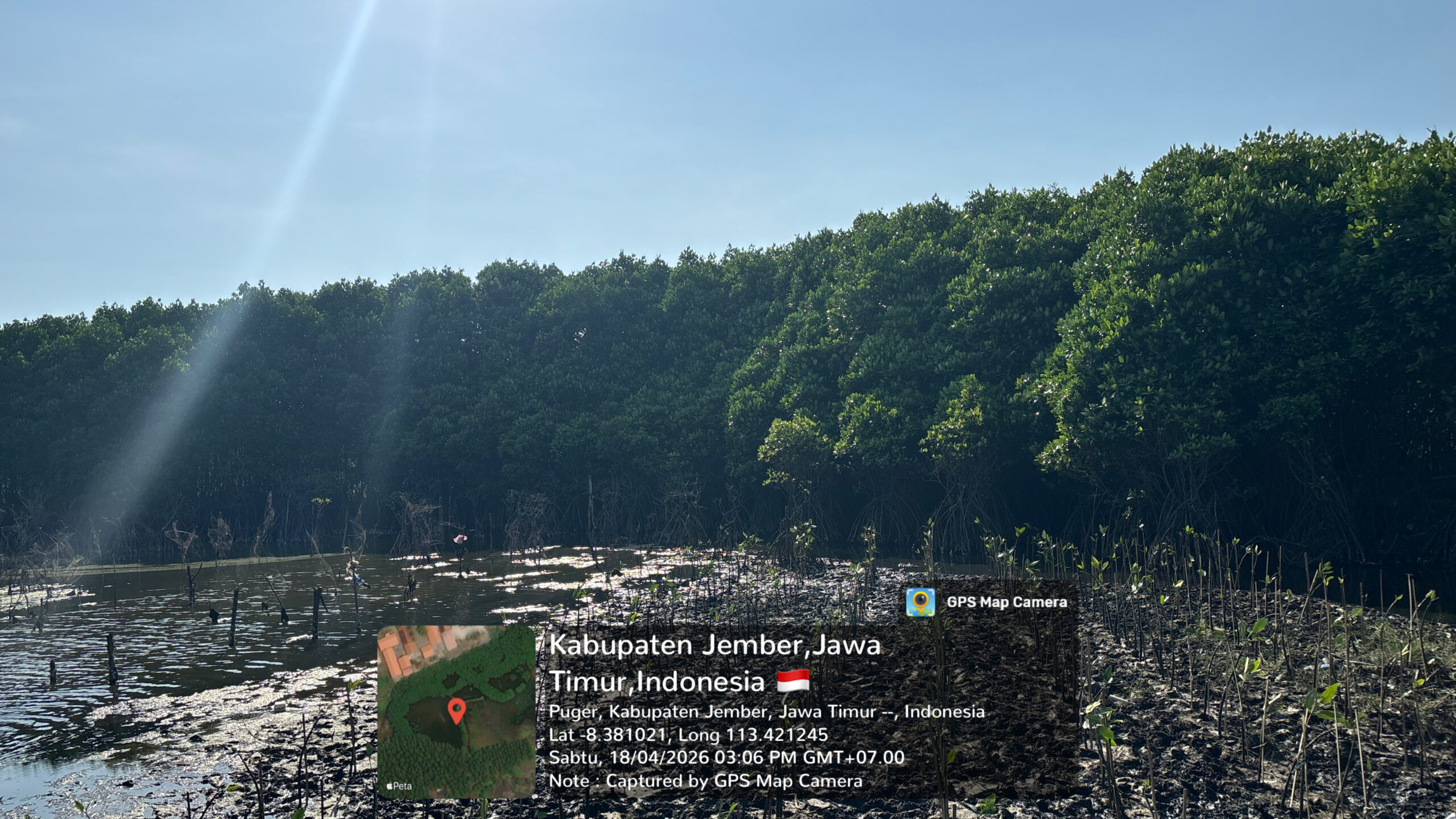
Getem Beach
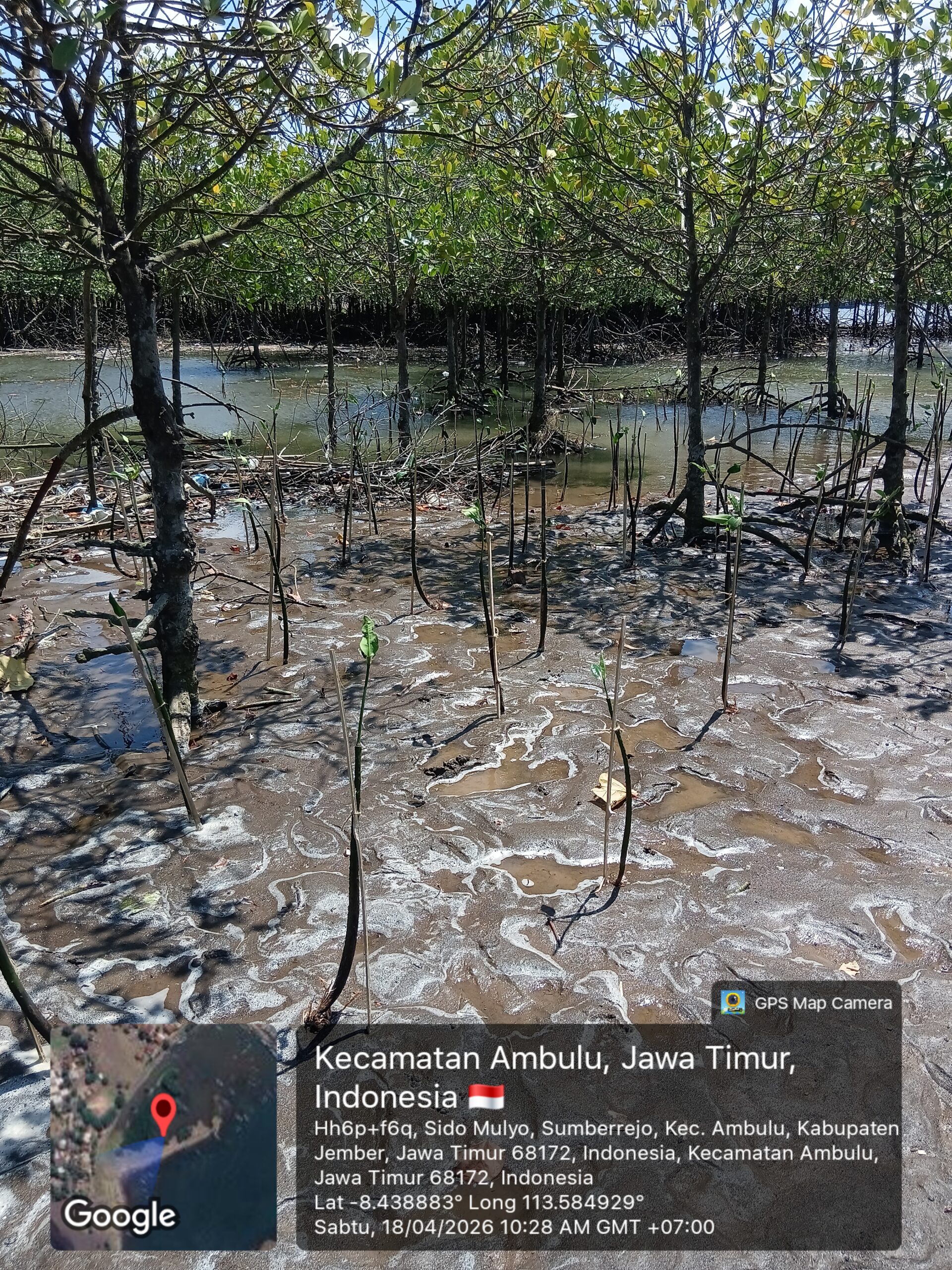
Payangan Beach
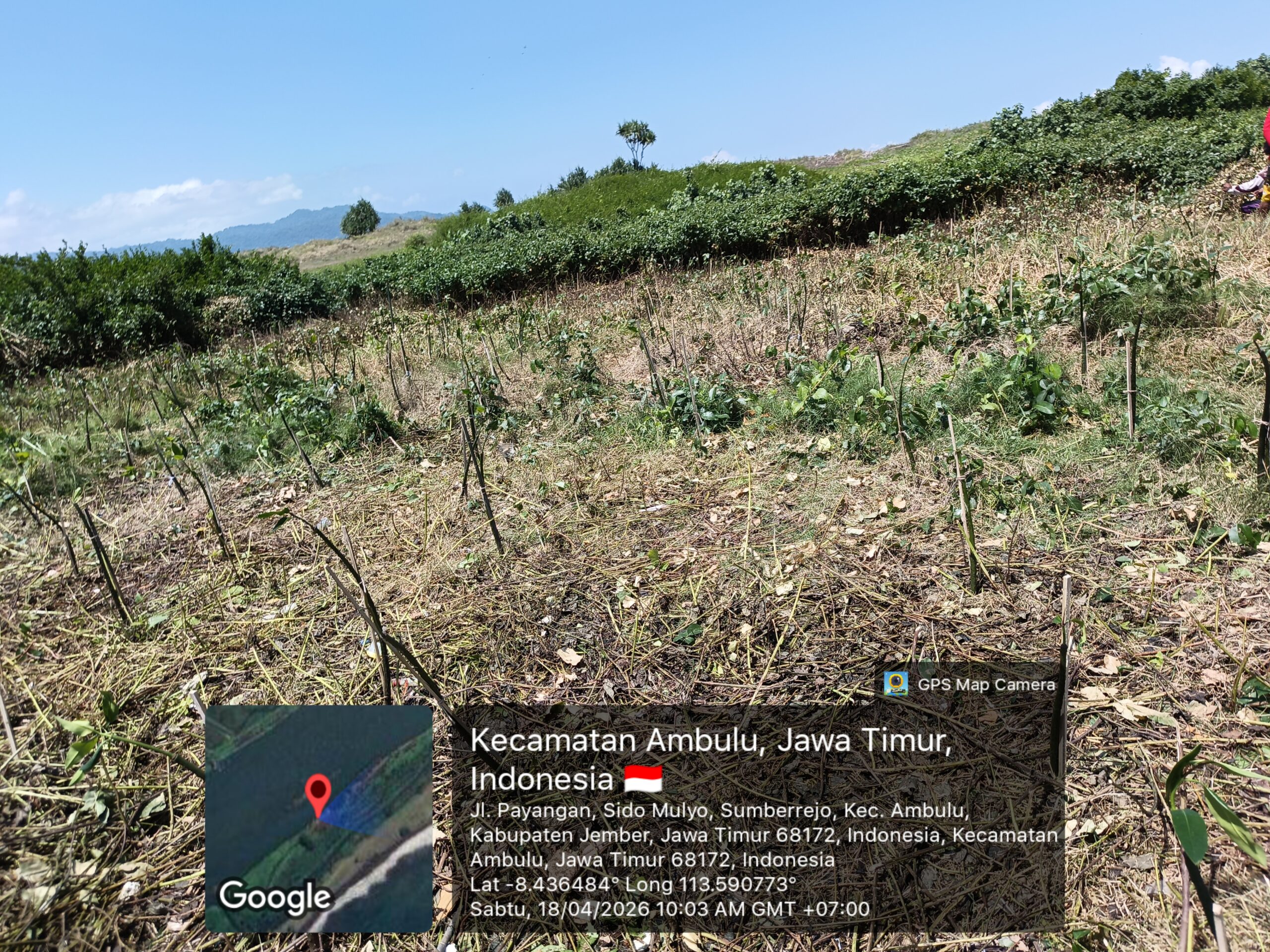
Love Bay
The activity began with a briefing session and group division before participants directly entered the planting areas. Using simple tools, participants learned proper mangrove planting techniques, including planting distance arrangement and seedling positioning to ensure optimal growth in coastal environments.
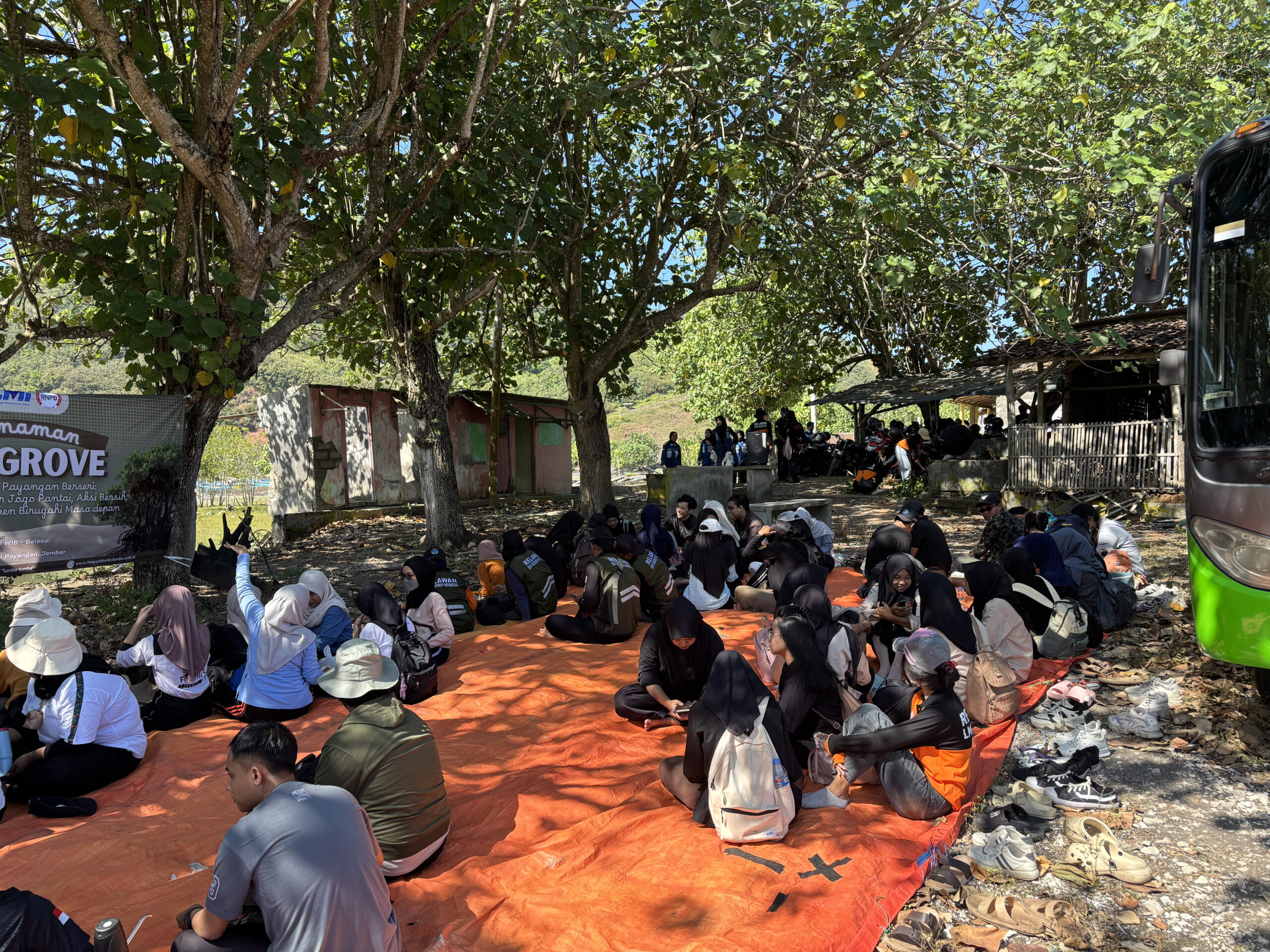
Planting Briering
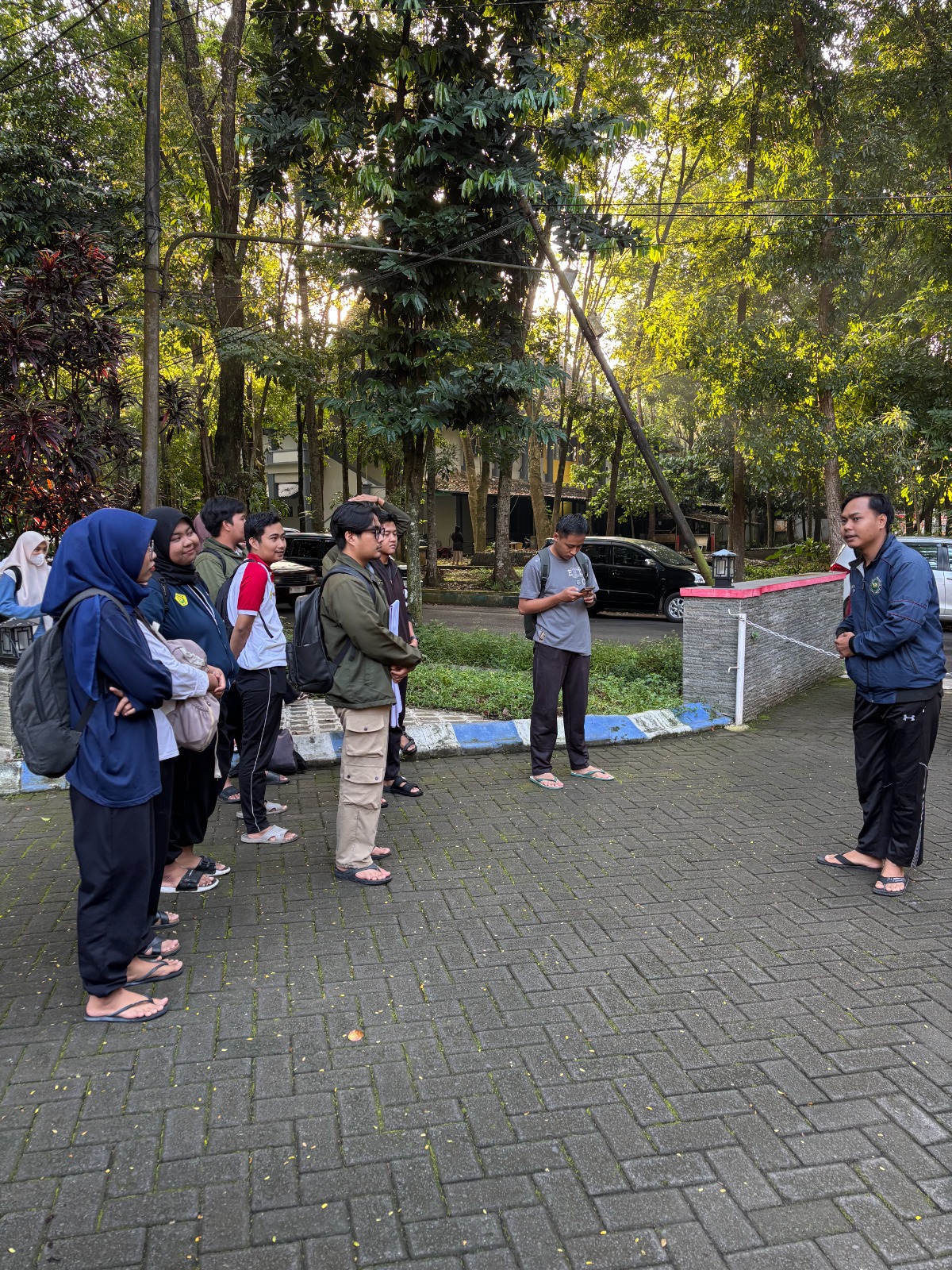
Committee Briefing
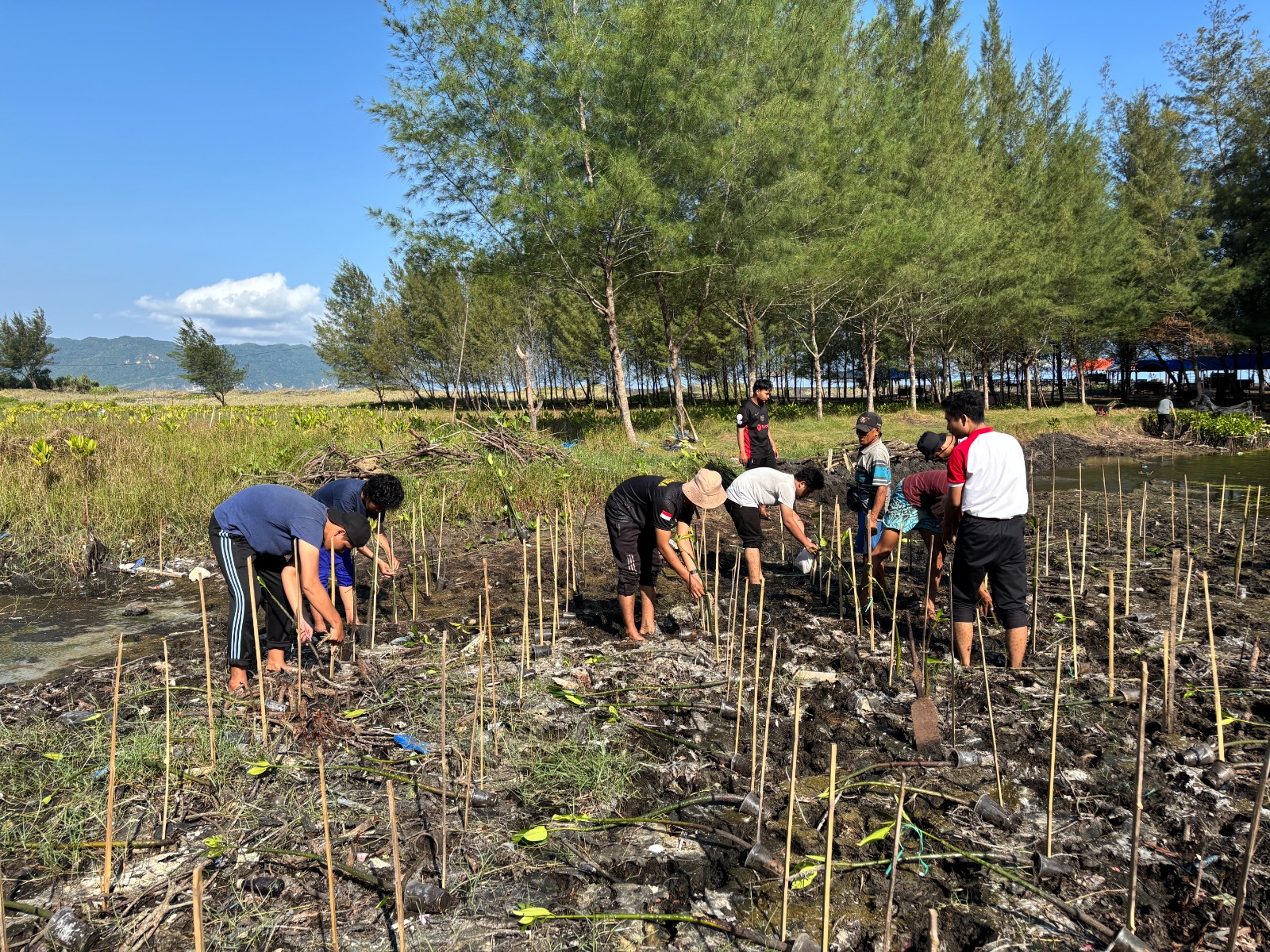
Mangrove Planting
Not only focusing on environmental action, this activity also provided conservation education for students at Mojomulyo 2 Elementary School, Puger, Getem. Through an interactive approach, students were introduced to the importance of mangrove ecosystems and their role in preserving coastal life from an early age.
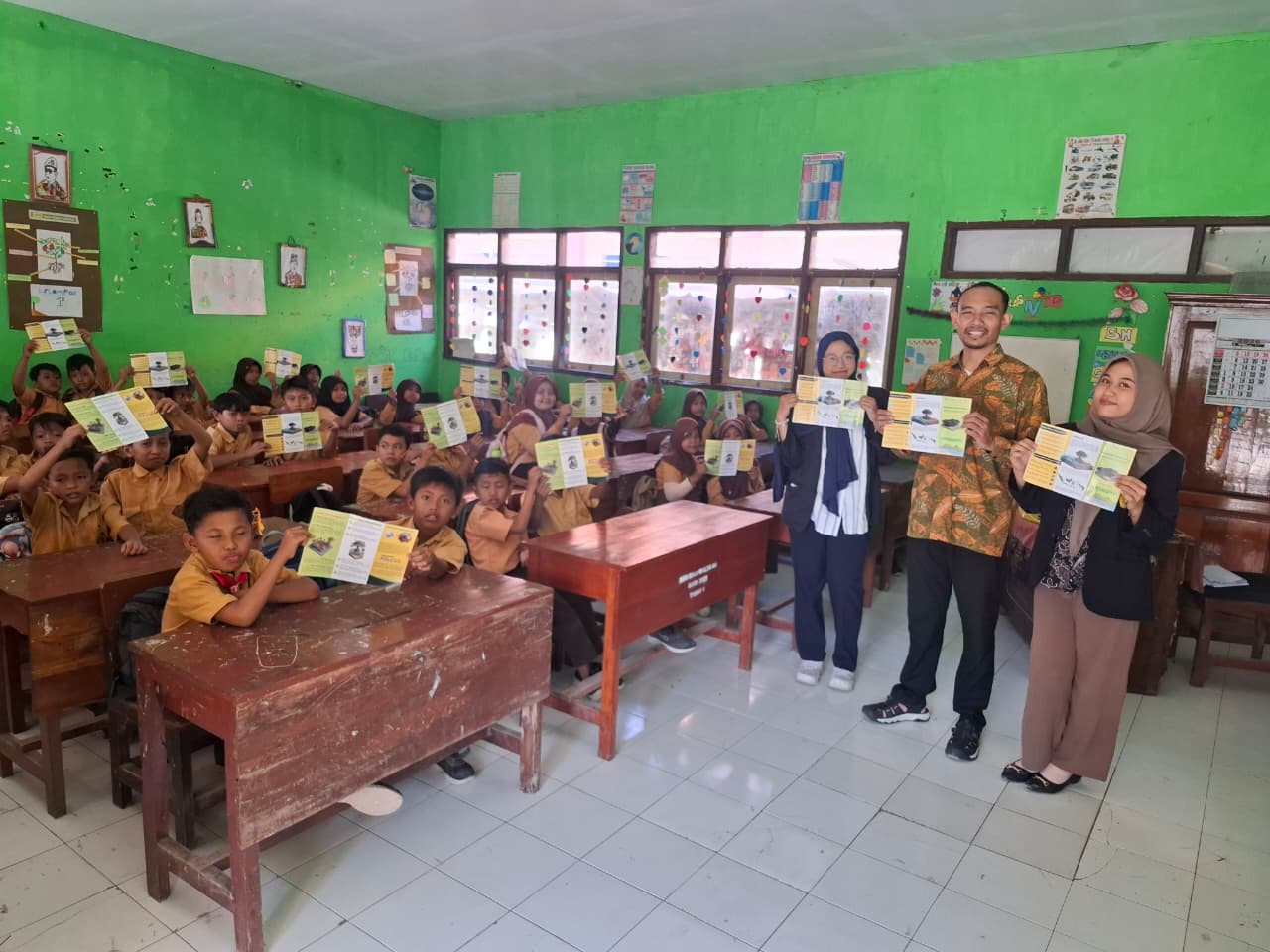
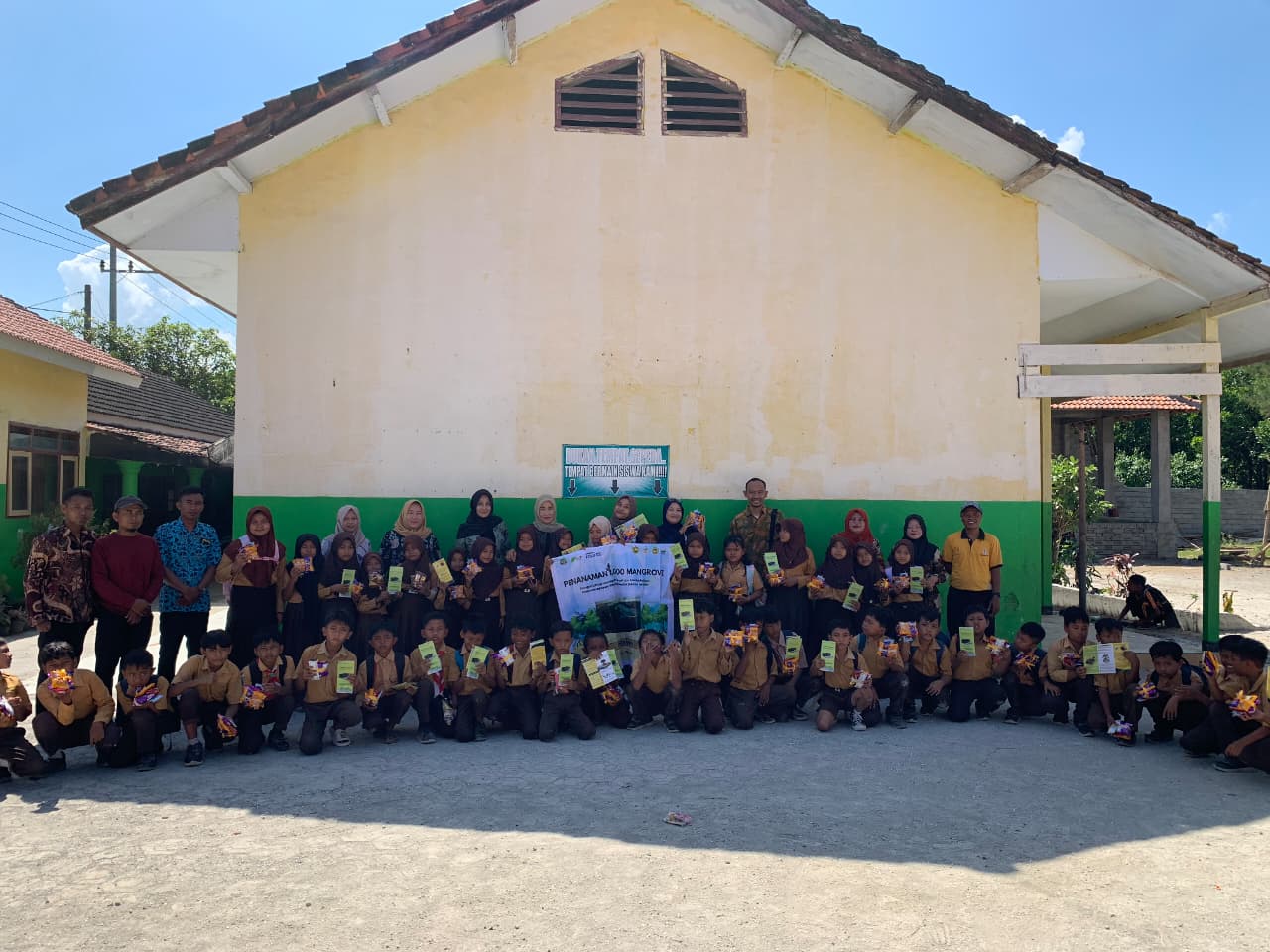
Education on the Importance of Mangroves at SDN 02 Mojomulyo, Puger
Several coastal areas in Jember, including Getem, serve as stopover locations for migratory coastal birds. The presence of mangroves helps provide habitat and food sources for these birds during migration.
In addition to increasing coastal vegetation cover, this activity also provided a hands-on learning experience for participants about the importance of action-based conservation. It is hoped that this planting will not remain a ceremonial activity, but rather the first step in building collective awareness for sustainably maintaining coastal ecosystems.
KERIS BIO-CON believes that protecting the environment is not just about planting trees today, but also about planting hope for a more sustainable ecosystem in the future.