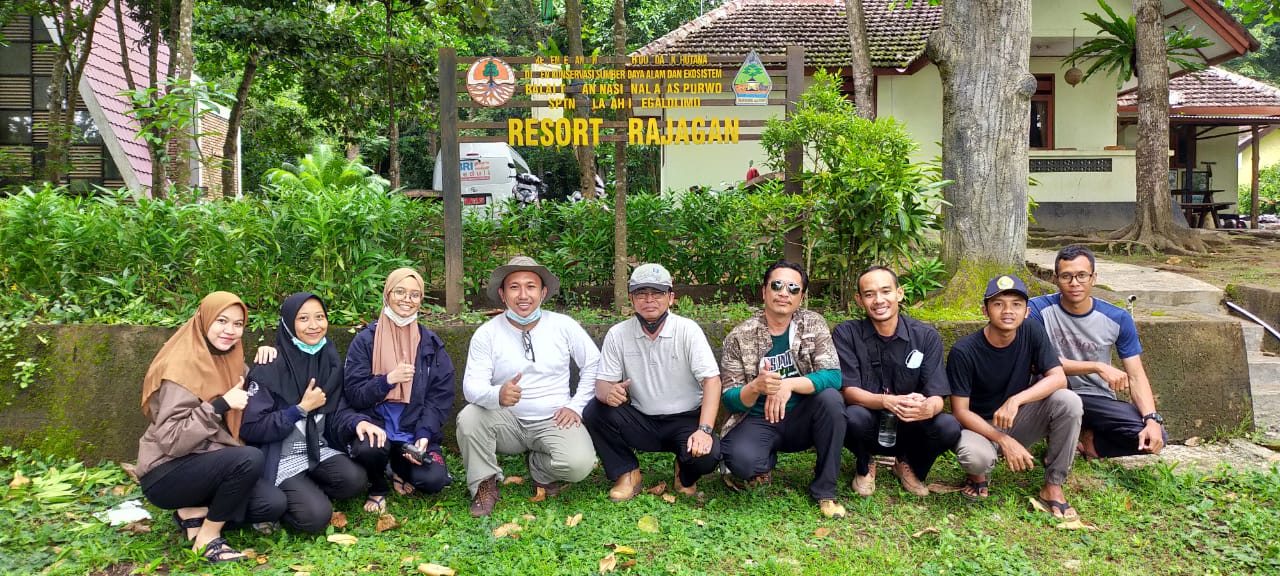
Insect Diversity in Grajagan Resort, Alas Purwo National Park

Inventory of Coleoptera, Diptera, and Odonata in Alas Purwo National Park

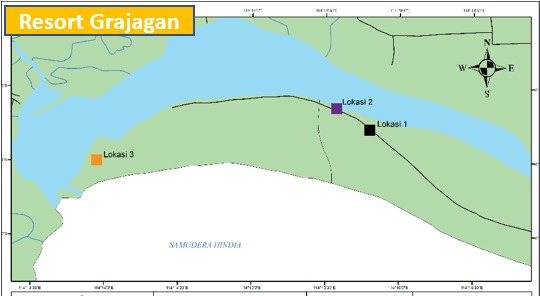
KERISDIMAS BIO-CON conducted a study on insect diversity in the Grajagan Resort area of Alas Purwo National Park in 2022. The research aimed to identify the diversity of insect species found within the area as part of biodiversity conservation efforts.

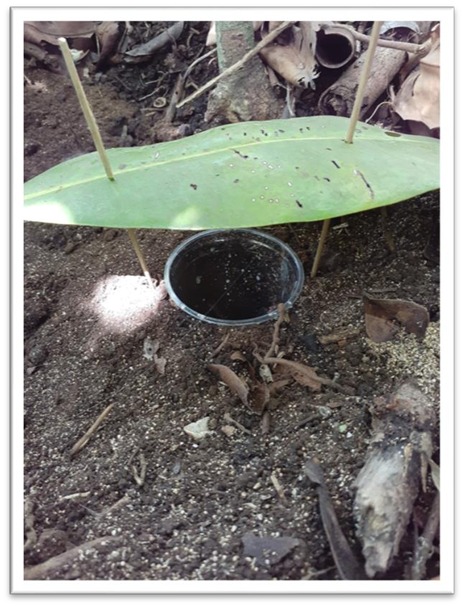
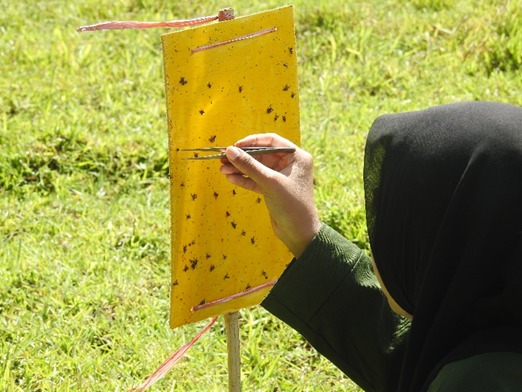
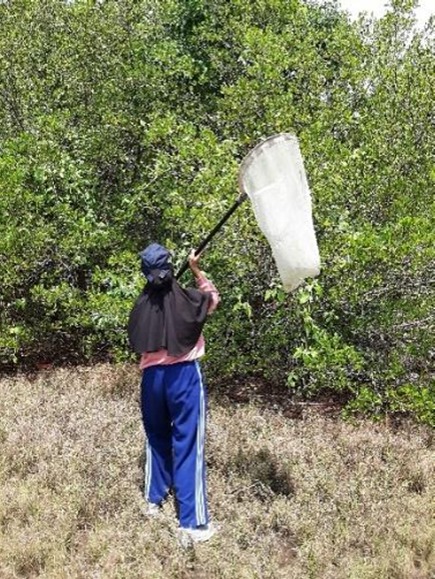
Sampling was carried out using several methods adjusted to each insect group. Coleoptera specimens were collected using pitfall traps and sticky traps, while Diptera and Odonata were observed through road sampling methods and captured using insect nets.

Pitfall Trap

Sticky Trap

Insect Net

The results showed that the Grajagan Resort area possesses relatively high insect diversity from three major orders: Coleoptera, Diptera, and Odonata.

Coleoptera Group

Within the Coleoptera group, the study recorded 8 beetle species distributed across the Grajagan Resort area. The presence of these beetles indicates their important ecological role, particularly in maintaining ecosystem balance through organic matter decomposition processes.

The recorded Coleoptera species included:

  • Coccinella sp.
  • Catharsius sp.
  • Anomala inepta
  • Paragymnopleurus sparsus
  • Dactylispa sp.
  • Chilocorus sp.
  • Senodonia sp.
  • Anomala sp.

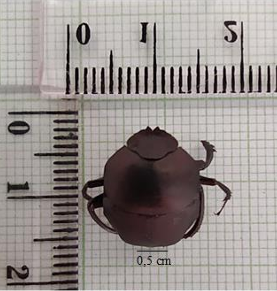
One particularly interesting species was Paragymnopleurus sparsus, commonly known as a dung beetle, which contributes to natural soil fertility through decomposition activities.

Paragymnopleurus sparsus 

Diptera Group

The Diptera group consisted of 10 recorded species found within the study area. This group includes various flies and mosquitoes with diverse ecological functions ranging from decomposers to predators.

The recorded Diptera species included:

  • Aedes aegypti
  • Armigeres subalbatus
  • Toxorhynchites splendens
  • Culex quinquefasciatus
  • Chrysomya megacephala
  • Drosophila hydei
  • Drosophila melanogaster
  • Musca domestica
  • Promachus yesonicus
  • Sarcophaga sp.

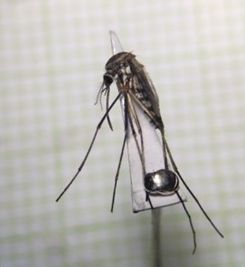
Interestingly, one of the species identified was Toxorhynchites splendens, a mosquito species that does not feed on human blood. Instead, it acts as a predator of other mosquito larvae, contributing to the natural biological control of mosquito populations.

Toxorhynchites splendens

Odonata Group

Within the Odonata group, the research successfully identified 8 species. Dragonflies and damselflies are widely recognized as excellent bioindicators of aquatic environmental quality.

The recorded Odonata species included:

  • Agrionoptera insignis
  • Lathrecista asiatica
  • Neurothemis terminata
  • Orthetrum chrysis
  • Orthetrum sabina
  • Pantala flavescens
  • Potamarcha congener
  • Gynacantha bayadera

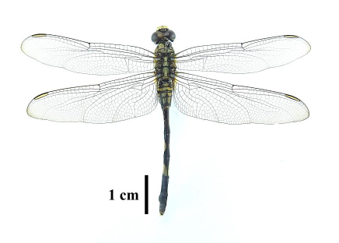
One notable species was Orthetrum sabina, known as an aggressive predator that plays an important role in maintaining insect population balance within ecosystems.

Orthetrum sabina

These findings demonstrate that the ecosystem within the Grajagan Resort area is still capable of supporting the survival of various insect species. The study also provides an important scientific foundation for conservation efforts aimed at maintaining biodiversity sustainability in Alas Purwo National Park.

Leave a Reply

Your email address will not be published. Required fields are marked *