
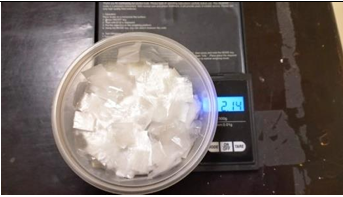

Research conducted by KERISDIMAS BIO-CON revealed fascinating findings regarding the ability of mealworm larvae (Tenebrio molitor) to degrade plastic waste. This study specifically examined how plastic thickness affects the larvae’s growth and their ability to break down polypropylene (PP) waste.
The results showed that Tenebrio molitor larvae are indeed capable of degrading plastic, but their efficiency is strongly influenced by plastic thickness and feeding combinations. Thinner plastic materials tended to be degraded more easily than thicker plastics. In addition, larvae that continued to receive supplemental natural food exhibited significantly better growth compared to larvae fed solely on plastic materials.
Interestingly, although the larvae were able to “consume” plastic, such conditions were not ideal for their development. Larvae fed exclusively on plastic showed extremely slow growth and, in some cases, nearly inhibited development. In contrast, a combination of plastic and natural food sources created a balance between degradation capability and larval survival.
💡 Interesting Insight: The ability of Tenebrio molitor larvae to degrade plastic is believed to be associated with the presence of specialized bacteria within their digestive systems, such as Exiguobacterium sp. These microorganisms help break down the highly resistant structure of plastic materials that are otherwise difficult to decompose naturally.
These findings indicate that although insects such as Tenebrio molitor possess promising potential as biological plastic degradation agents, this approach still requires proper management and further study. The integration of biological solutions with human environmental awareness remains a key factor in addressing plastic waste problems sustainably.