

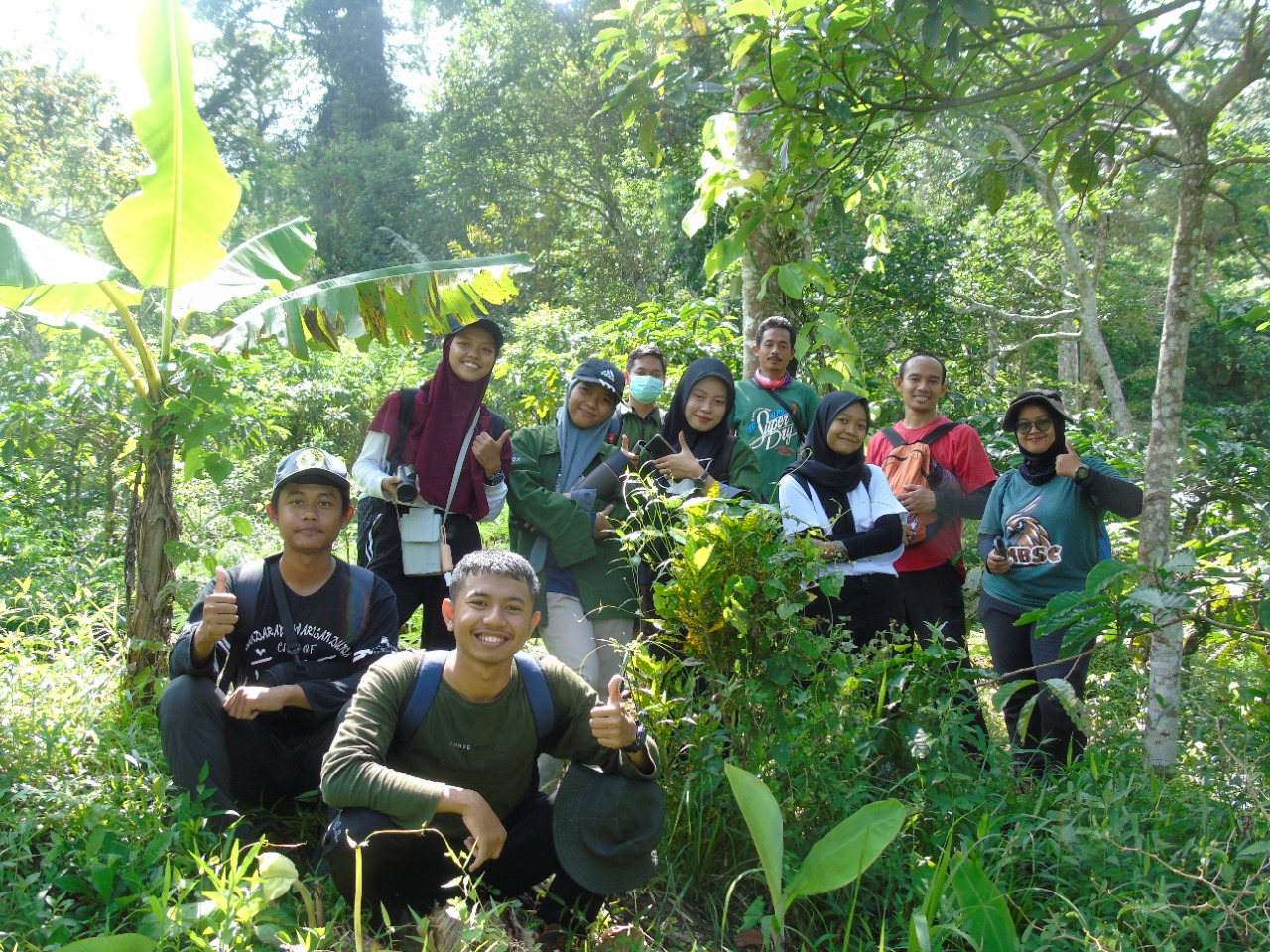

KERISBIOKON conducted a butterfly community structure study in the Resort Pemangkuan Hutan (RPH) Garahan, BKPH Sempolan, Perum Perhutani KPH Jember, from December 2022 to February 2023. This forest area, dominated by pine forests and tropical vegetation, provides an important habitat for many butterfly species in East Java.
Butterflies are essential components of forest ecosystems. Besides acting as pollinators, butterflies are also widely recognized as bioindicators, meaning their presence and diversity can reflect environmental quality and habitat conditions.
The research documented 297 butterfly individuals belonging to 25 species from 3 families. Sampling was conducted across pine forest and natural forest habitats using roaming and sweeping techniques at ten observation points.
Several species recorded during the study include:
🦋 Papilio memnon
🦋 Graphium sarpedon
🦋 Polyura athamas
🦋 Euploea eunice
🦋 Euploea climena
🦋 Euploea mulciber
🦋 Hypolimnas bolina
🦋 Tanaecia palguna
🦋 Faunis canens
🦋 Melanitis leda
🦋 Orsotriaena medus
🦋 Mycalesis horsfieldi
🦋 Ypthima horsfieldii
🦋 Leptosia nina
🦋 Catopsilia pomona
🦋 Eurema hecabe
Among all recorded species, Ypthima horsfieldii was the most frequently encountered butterfly in the study area. This species is commonly associated with grassy habitats and forest edges, where its larvae depend on grasses as host plants.
Fun Fact:
Butterflies from the genus Ypthima are often called “ringlets” because of the circular eye-like spots on their wings. These markings help confuse predators by mimicking the eyes of larger animals.
Another Interesting Insight:
Graphium sarpedon, also known as the Common Bluebottle, is famous for its fast and agile flight. Unlike many butterflies that frequently rest on flowers, this species is often seen actively flying through forest trails and streams.
Ecological Insight:
The coexistence of butterfly species in both pine forest and natural forest habitats indicates that habitat heterogeneity plays an important role in supporting butterfly diversity. Variations in vegetation structure, humidity, light intensity, and temperature create microhabitats that allow different species to thrive.
Through this research, KERISBIOKON continues to support biodiversity exploration and conservation efforts by documenting butterfly communities as important indicators of tropical forest ecosystem health.