

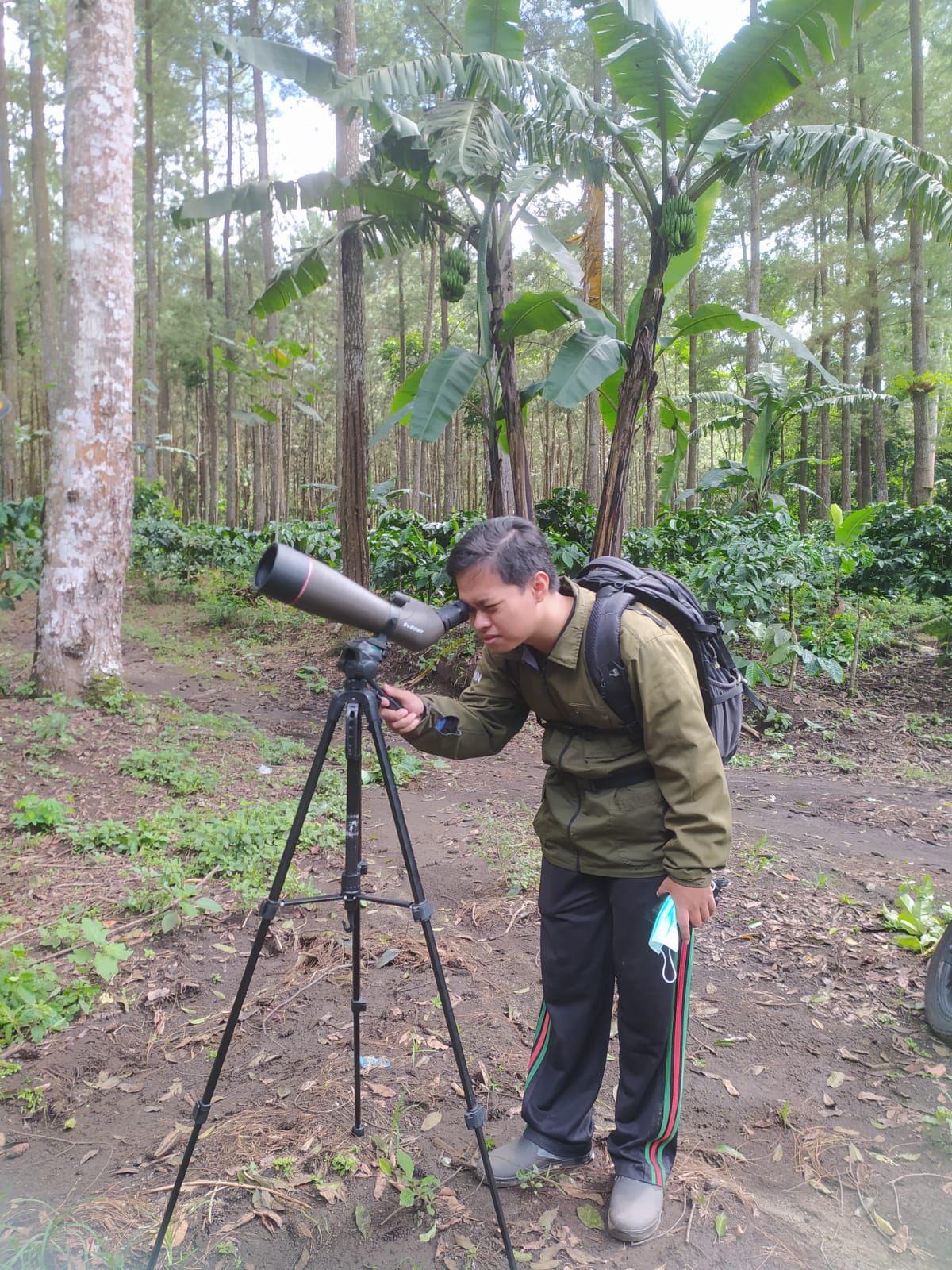

Research conducted by KERISDIMAS BIO-CON in the Sumberjati Resort area, Sempolan region (Perhutani Forest Management Unit of Jember), revealed that the area continues to serve as a rich habitat for various bird species. Through observations conducted in both pine forests and natural forests, the research team successfully documented 34 bird species, reflecting an ecosystem that remains relatively well preserved.
Bird diversity was recorded across both habitat types, indicating that production forests as well as natural forests still play important roles in supporting wildlife populations. Several species were even found in relatively high abundance, suggesting that environmental conditions remain favorable for bird activities ranging from foraging to social interactions within their communities.
Interestingly, the study also recorded the presence of raptor species such as the Crested Serpent Eagle (Spilornis cheela) and the Black-thighed Falconet (Microhierax fringillarius). The presence of these predators indicates that the food chain structure within the area is still functioning properly.
Furthermore, both species are protected wildlife under Indonesian regulations, specifically the Ministry of Environment and Forestry Regulation No. P.106 of 2018, and are also listed under CITES Appendix II. This conservation status indicates that these species possess high conservation value and are vulnerable to pressures such as hunting and illegal wildlife trade.
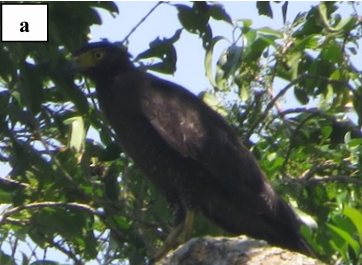
Spilornis cheela
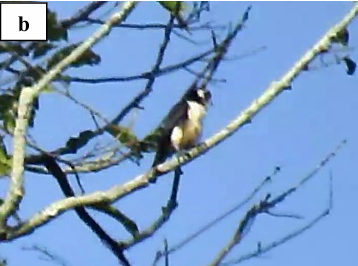
Microhierax fringillarius
💡 Interesting Insight: Raptors are often referred to as the “guardians of ecosystem balance.” Their presence indicates that ecological food chains are still functioning properly. If predators such as eagles and falconets are still present, it means that prey availability and habitat quality remain well maintained.
In addition, highly adaptable species such as the Cave Swiftlet (Collocalia linchi) were also recorded dominating observations across multiple locations. This species is known for its ability to utilize various habitat conditions, making it an indicator of ecosystem flexibility.
These findings confirm that the Sempolan area plays an important role in bird conservation, both as a natural habitat and as an ecosystem buffer zone. Sustainable management efforts therefore become essential to ensure the long-term survival of these bird species in the future.