

Production forests and protected forests in the RPH Arjasa area, located on the eastern slopes of the Hyang Mountains, harbor an extraordinary diversity of avifauna. A study conducted in 2025 recorded at least 34 bird species from 24 families inhabiting this area.
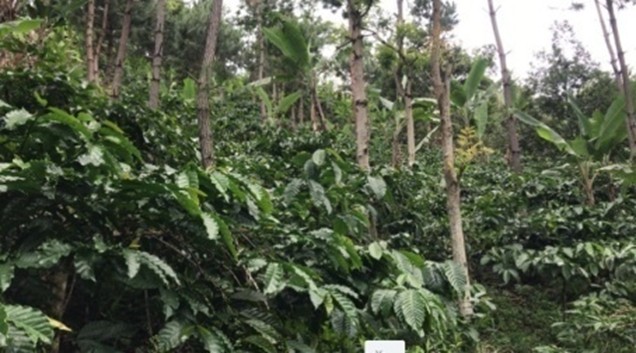
Interestingly, the production forest supported a greater variety of bird species compared to the protected forest. The presence of heterogeneous vegetation such as mahogany (Swietenia mahagoni), coffee (Coffea sp.), along with diverse shrubs and tree canopies, provides abundant food resources and shelter for birds.
The most frequently observed bird was the Linchi Swiftlet (Collocalia linchi). This species is known for being highly adaptive and actively hunting small insects in the air. A fun fact: swiftlets are able to catch insects while flying rapidly without needing to perch first.
In addition, this area also serves as a habitat for several important species protected both nationally and internationally, including:
- Crested Serpent Eagle (Spilornis cheela)
- Wreathed Hornbill (Rhyticeros undulatus)
- Javan Banded Pitta (Hydrornis guajanus)
These three species are protected under PERMENLHK P.106 of 2018 and are also listed in Appendix II of CITES, meaning their international trade is strictly regulated.
Featured species: Wreathed Hornbill (Rhyticeros undulatus)
This large hornbill species is classified as Vulnerable (VU) by the IUCN, indicating that its population faces a risk of decline in the wild. The Wreathed Hornbill plays a highly important ecological role as a “guardian of the forest” because it helps disperse seeds from the fruits it consumes. Without hornbills, the regeneration of many tropical forest trees could be disrupted.
The presence of the Wreathed Hornbill in RPH Arjasa indicates that this area still maintains good habitat quality and remains important to conserve.
Some bird species recorded during the study include:
- Spilornis cheela — Crested Serpent Eagle
- Rhyticeros undulatus — Wreathed Hornbill
- Hydrornis guajanus — Javan Banded Pitta
- Collocalia linchi — Linchi Swiftlet
- Halcyon cyanoventris — Javan Kingfisher
- Todiramphus chloris — Collared Kingfisher
- Merops leschenaulti — Chestnut-headed Bee-eater
- Cinnyris jugularis — Olive-backed Sunbird
- Pericrocotus flammeus — Scarlet Minivet
- Pericrocotus cinnamomeus — Small Minivet
- Dicaeum trochileum — Scarlet-headed Flowerpecker
- Gallus varius — Green Junglefowl
- Enicurus velatus — Little Forktail
- Lonchura leucogastroides — Javan Munia
- Prinia familiaris — Bar-winged Prinia
This study demonstrates that Perhutani forest areas are not merely production landscapes, but also serve as important habitats for biodiversity, including bird species that play major ecological roles in maintaining ecosystem balance.